

Is There a Public Health Imperative to Prepare Physician’s and General Public’s Immune System to Coronavirus Exposure: MicroNutrients & AntiViral Natural Compounds.

Roman Torgovitsky, Ph.D.
https://www.facebook.com/roman.torgovitsky
Introduction
High rates at which new covid-19 cases occur overtax the finite resources of the medical system. And the most important goal of the public health efforts right now is to slow down the rate of infection to “flatten the curve”. Social isolation is the first and most important intervention capable of flattening the curve of the pandemic.
Successfully flattening the curve does not necessarily mean that the overall number of people infected with the virus will decrease. Social isolation is essential for preventing deaths due to insufficient resources of the healthcare system including number of hospital beds, ventilators, physicians, nurses and the hospital staff to save covid-19 patients. However, social isolation may not reduce the risk of being exposed to the coronavirus within the next 6-12 months. So, the reality is that most of us may still be exposed to the virus sooner or later. In fact, some scientists estimate that up to 70% of people in the world might be infected (Shlain 2020).
Moreover, based on the history of the 1918 pandemic, there is evidence pointing to a possibility of second/third waves of the pandemic caused by the mutated virus (Roos 2020). Preparing the public for the virus encounter becomes even more pertinent.
We all rely on the physicians, nurses, other healthcare providers and the supporting staff to fight the pandemic. Protecting healthcare workers not only with personal protection equipment, but also by implementing interventions that support both their physiology (e.g. immune and circadian systems) and mental health is of the essence.
With the understanding that most of us will be exposed to the virus, what can we do in the meantime to prepare ourselves for the SARS-CoV-2 viral infection? What can we do to minimize the chances of getting sick? What can we do to lighten the severity of the disease if we do fall sick?
The chances of getting sick and the severity of the disease might be affected by many factors including genetics, blood type, the viral load during the exposure, and the state of the immune system. Unlike genetics and blood type, effectiveness of the immune system in counteracting the viral infection is one factor that many of us can affect while we are sitting at home in isolation. Immune system function is affected by nutritional
status, sleep quality and duration, stress level and many other factors.
In this article, I will discuss some of the current scientific evidence for optimizing immune system function with nutrition as well as using antiviral natural compounds.
I would like to start by briefly summarizing the intimate connection between the immune system and the nutritional status:
For example, people deficient in vitamin C are susceptible to severe respiratory infections such as pneumonia (Carr 2017, Hemila 2017,Prentice 2017). Vitamin D is associated with increased incidence of respiratory tract infections (Cannell 2006, Jat 2017). Zinc deficiency leads to Increased risk of bacterial and viral infections (Maggini 2008, Calder 2007, Prentice 2017, Maywald 2017, Sandström 1994, Savino 2010).
(b) greater virulence that can contribute to spreading the epidemic as well
as making it more severe
Deficiency in some nutrients, including selenium, vitamin E and Copper, can lead to genetic mutations that increase virulence of some viruses and lead to emergence of more pathological strains. (Beck 2003; Beck 2004, Maggini 2008)
While we do not know everything about the function of the SARS-Cov-2, we do know a lot about SARS, the virus that caused the epidemic of 2003, as well as the function of other viruses. We also know a lot about how to support the immune system in its fight against viruses and bacterial infections. Bacterial infections are also relevant as secondary bacterial infections can cause pneumonia (Boudama 2020, WenHong Zhang 2020).
How do we optimize the readiness of the immune system to effectively counteract the viral invasion?
In this article, I will try to put together some of the intervention you can implement at home to optimize the effectiveness of your immune system with the hope of boosting your chances of escaping the teeth of covid19 or making the disease less severe. As always please consult with your physician before implementing any of this strategies.
These interventions should be especially important for people under high physical or emotional demand:
This article will be regularly updated to add new research-based methods. To get the updates, you can join the telegram channels:
https://t.me/coronavirus_health_optimization (English)
https://t.me/immune_system_optimization (Russian)
In the section below I will try to summarize some of the major findings about the effect of micronutrient supplementation on reducing the risk of infection.
Vitamin D
(1) Meta-analysis of 25 randomized controlled trials with 10,933 participants found that daily D supplementation in doses 300IU to 4000UI per day leads to substantial reduction in acute respiratory infection (colds and influenza) risk. People with vitamin D deficiency (levels below 25 nmol/L or 10 ng/mL) experience an even greater protective effect (Martineau 2017).
(2) In one clinical trial, 1200 IU of vitamin D reduced influenza A incidence from 19% to 11% (Urashima 2010). Vitamin D seems to be important for both the prevention of viral infections as well as the successful treatment of viral infections. For example, patients were almost twice as likely to die during an ICU stay if they had vitamin D deficiency ( < 50 nmol/l). (McKinney 2011)
Canadian Vitamin D society (Vitamin D Society) recommends maintaining blood levels of the vitamin D in the range 100 nmol/L to 150 nmol/L. Canadian Cancer Society (Canadian Cancer Society) now recommends 1‚000 IU per day for all Canadians. The tolerable upper intake level for adults is 4,000 IU (U.S. Institute of Medicine, EFSA) and the NOAEL level is 10,000 IU per day (U.S. Institute of Medicine)
Vitamin C
Two meta-analyses that combined multiple randomized clinical trials investigating the effect of Vitamin C showed:
(1) Vitamin C supplementation resulted in a significant reduction in the risk of pneumonia in adults and children, particularly when dietary intake was low (Hemilä 2013a)
(2) Vitamin C supplementation (at least 0.2g/day) is effective at (Hemilä 2013b):
(a) Preventing colds and RTI when consumed regularly by those experiencing physical stress (marathon runners, skiers, and soldiers) (see also Moreira 2007)
(b) Reducing the duration of cold symptoms in both adults (by 8%) and children (14%). This number for children went up from 14% to 18% when larger doses (1-2g/day) were used.
(c) Reducing cold severity
One of the common themes in studies of the effectiveness of vitamin supplementation is increased effectiveness for people under stress (including physical stress or being sick) or those with low blood levels of vitamins. In this respect, one study showed that supplementation of individuals who had an inadequate vitamin C status (i.e., <45 mol/L)
decreased the incidence of the common cold (Johnston, 2014)
There is a great range in Vitamin C doses investigated and the optimal dose is not clear. One study showed that hourly doses of 1000 mg vitamin C for the first 6 hours after symptom onset followed by 1000 mg doses of vitamin C three times daily substantially reduced reported flu and cold symptoms as compared to the placebo group (Gorton 1999).
Vitamin C RDA ranges between 40 and 110 mg (Else, 2017). However, prophylaxis of infection requires dietary vitamin C intakes of at least 100–200 mg/day (i.e., higher than the RDA) (Carr, 2017).
Vitamin C tolerable upper intake limit for adults is about 2g/day.
Zinc
Intracellular Zinc inhibits viral replication. For example, increasing the concentration of intracellular zinc with zinc-ionophores like pyrithione (Zinc pyrithione) can invitro efficiently impair the replication of a variety of RNA viruses including some of the coronaviruses (te Velthuis, 2010; see also section on Chloroquine below). However, ingesting Zinc does not necessarily directly translate into higher Zinc concentration inside a cell.
Meta-analysis of 13 randomized trials investigating the effect of zinc lozenges on viral upper respiratory tract infections, showed that doses lower than 75mg daily did not lead to the reduction of sickness duration. However, eight trials that administered doses greater than 75 mg daily showed reduction in symptom duration (Hemila 2011).
Note that the tolerable upper intake level for adults is 40mg/day (US Institute of Medicine)
Please also see the section on Chloroquine, Quercetin and Zinc ionophores.
Selenium
Selenium deficiency could lead to mutation of RNA virus leading to higher virulence, thus contributing to spread of the virus (Guillin, 2019; Harthill, 2011; Beck, 1995). One study using an animal model demonstrated that a selenium-deficient diet was associated with significantly higher mortality from influenza than a selenium-supplemented diet (Yu 2011).
Note that the tolerable upper intake level for adults is 400 µg/day (US Institute of Medicine).
For a much more comprehensive review of other micronutrients and their effect on the immune system, please refer to (Gombart 2020).
Multivitamin
Two meta-analyses showed that
Omega-3
The omega-3 fatty acids EPA and DHA are required for the resolution of inflammation (Calder 2012, Basil 2016). Nutritional deficiency in EPA and DHA can lead to inefficient resolution of inflammation (Basil 2016). The intake and status of the omega-2 fatty acids are commonly below recommendations (EFSA Panel, Fats and fatty acids in human nutrition, Stark 2016). An intake of 250 mg of omega-3 per day is recommended (EFSA,
Fats and fatty acids in human nutrition)
Summary of the recommended Vitamins/Minerals:
Multivitamin and mineral supplement with good bioavailability that provides
Chloroquine & Natural Antiviral Compounds
I start this section with reviewing Chloroquine which is a promising option for treating SARS-CoV-2 based on recent small scale clinical studies. One of the mechanisms of action of the drug is transporting Zinc inside a cell. This is also a mechanism of action of quercetin, a flavonoid that we will review in the next section.
Chloroquine
Chloroquine has been used to treat malaria. It also has an antiviral effect [1]. It has been shown to inhibit SARS (the first SARS from 2002-2003) infection by interfering with ACE2 receptors [2]. Below is a brief discussion of one possible mechanism of action.
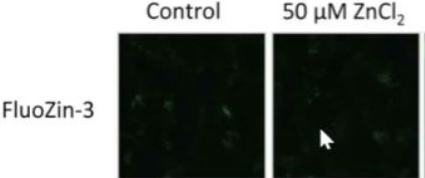
It is known that increasing the intracellular Zinc ion concentration inhibits viral RNA replication [4]. However, Zinc ions need to be transported into the cell. Simply, increasing extracellular Zinc concentration by ingesting Zinc supplements may not work. The picture below demonstrates an increase in Zinc (greenish colored spots) after increasing extracellular Zinc concentration 10-fold [3]. As you can see there is not much of a difference (fig.1)
The picture changes dramatically when you add Chloroquine. The third image from the left shows highly increased Zinc concentration within the cell (greenish color, fig.2)
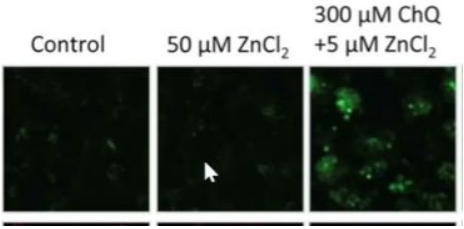
Chloroquine is Zinc ionophore. Ionophore is a substance capable of transporting an ion across a lipid membrane into a cell [3]. One study shows that chloroquine inhibits SARS2 in-vitro [8].
There are several studies being conducted on Chloroquine in China, one of the current recommendation is “500mg twice per day for 10 days for patients diagnosed as mild, moderate and severe cases of novel coronavirus pneumonia and without contraindications to chloroquine.“ [5]
Hydroxychloroquine
According to a recent article [6]:
“Hydroxychloroquine shares the same mechanism of action as chloroquine, but it is more tolerable safety profile makes it the preferred drug to treat malaria and autoimmune conditions. We propose that the immunomodulatory effect of hydroxychloroquine also may be useful in controlling the cytokine storm that occurs late-phase in critically ill SARS-CoV-2 infected patients. “
An in vitro study showed that hydroxychloroquine might be more potent than chloroquine [6].
The study authors recommend the following treatment: hydroxychloroquine sulfate 400 mg given twice daily for 1 day, followed by 200 mg twice daily for 4 more days is recommended to treat SARS-CoV-2 infection.
There are more publications that recommend chloroquine:
“Chloroquine phosphate, an old drug for treatment of malaria, is shown to have apparent efficacy and acceptable safety against COVID-19 associated pneumonia in multicenter clinical trials conducted in China. The drug is recommended to be included in the next version of the Guidelines for the Prevention, Diagnosis, and Treatment of Pneumonia Caused by COVID-19 issued by the National Health Commission of the People’s Republic of China for treatment of COVID-19 infection in larger populations in the future.” [7]
Professor Didier Raoult, director of the IHU of Marseille presented the first results of the clinical test with hydroxychloroquine carried out on 24 patients affected by the coronavirus [11,12,13]
[1] Savarino A, Boelaert JR, Cassone A, Majori G, Cauda R. Effects of chloroquine on viral infections: an old drug against today’s diseases? Lancet Infect Dis . 2003;3:722-727.
[2] Vincent MJ, Bergeron E, Benjannet S, et al. Chloroquine is a potent inhibitor of SARS coronavirus infection and spread. Virol J . 2005;2:69.
[3] Xue, J., Moyer, A., Peng, B., Wu, J., Hannafon, B.N. and Ding, W.Q., 2014.
Chloroquine is a zinc ionophore. PloS one , 9 (10).
[4] https://journals.plos.org/plospathogens/article?id=10.1371/journal.ppat.1001176
[5] https://www.ncbi.nlm.nih.gov/pubmed/32075365/
[6] Yao, X., Ye, F., Zhang, M., Cui, C., Huang, B., Niu, P., Liu, X., Zhao, L., Dong, E., Song, C. and Zhan, S., 2020. In Vitro Antiviral Activity and Projection of Optimized Dosing Design of Hydroxychloroquine for the Treatment of Severe Acute RespiratorySyndrome Coronavirus 2 (SARS-CoV-2). Clinical Infectious Diseases.
[7] https://www.jstage.jst.go.jp/article/bst/14/1/14_2020.01047/_article/-char/ja
[8] Wang M, Cao R, Zhang L, Yang X, Liu J, Xu M, et al. Remdesivir and chloroquine effectively inhibit the recently emerged novel coronavirus (2019- nCoV) in vitro. Cell Res 2020 Feb 4 [Epub ahead of print]. doi: 10.1038/s41422-020-0282-0.
Additional papers:
[9] Colson, P., Rolain, J.M., Lagier, J.C., Brouqui, P. and Raoult, D., 2020. Chloroquine and hydroxychloroquine as available weapons to fight COVID-19.
[10] https://www.preprints.org/manuscript/202003.0279/v1
[11] https://www.connexionfrance.com/French-news/French-researcher-in-Marseille-posts-successful-Covid-19-coronavirus-drug-trial-results
[12] https://www.20minutes.fr/sante/2742011-20200317-coronavirus-hydroxychloroquine-efficace-selon-professeur-raoult-ihu-marseille-apres-premier-test-restreint
[13] https://www.youtube.com/watch?v=n4J8kydOvbc
Food-based Antiviral Compounds
The goal of this section is to summarize evidence behind potential usefulness for the following antiviral compounds:
Group-1: Foods suppressing SARS virus PLpro protein: Curcumin (Turmeric)
Group-2: Foods suppressing SARS 3-CLpro protein and Zinc ionophore (Quercetin): capers, radish leaves, carob (fiber), dill,cilantro, fennel.
Group-3: Foods suppressing 3-CLpro (Diarylheptanoids): flaxseed hull (sold as a supplement)
Group-4: Foods with a high content of EGCG (Epigallocatechin gallate, Zinc ionophore): green and white tea. There are also EGCG supplements.
Just like MERS and SARS, SARS-CoV-2 genome encodes:
SARS-CoV-2 spike glycoprotein has a receptor binding domain that recognizes the target receptor: angiotensin converting enzyme 2 (ACE2). Binding of the spike protein to the ACE2 receptor leads to fusion with the cell’s membrane and entry of the virus into the cell via endocytosis leading to viral infection and subsequent viral replication within the cell (Yan et al., 2020).
The two proteases are key enzymes implicated in virus replication and inhibition of the host immune system response (Zhang 2020,Park 2012, Chen 2020).
There are two options to prevent binding of the spike proteins with the ACE2 receptors:
Proteases involved in viral replication and suppression of the host immune system are also an attractive target for drug development (Qamar 2020, Haider 2020, Chang 2020, Zhavoronkov 2020, Li 2020)
Proteases involved in viral replication and suppression of the host immune system are also an attractive target for drug development (Qamar 2020, Haider 2020, Chang 2020, Zhavoronkov 2020, Li 2020)
Flavanoids are known to have an antiviral effect, for example:
Quercetin & EGCG
Quercetin is Zinc ionophore (Dabbagh-Bazarbachi 2014). It is cheap, derived from natural products and does not need a prescription. Quercetin has been shown to inhibit influenza virus (Wu 2016).In Montreal, Dr. Michel Chrétien and Dr. Majambu Mbikayare started a randomized trial investigating quercetin (CBC 2020). Quercetinas a supplement may have low bioavailability (Almeida 2018)
A study published in 2014, showed that Epigallocatechin gallate (EGCG) is also Zinc ionophore and transports extracellular Zinc inside a cell (Dabbagh-Bazarbachi 2014). EGCH is found in leaves of green and white tea (ECGC-wiki) and is also sold as a supplement.
Green tea capsules were shown to prevent cold and flu symptoms and enhance immune system function (Rowe 2007).
Herbacetin
Herbacetin was found to block the enzymatic activity of MERS 3CLpro involved in viral replication (Jo 2019).
Diarylheptanoids & Curcumin
Diarylheptanoids are a relatively small class of plant secondary metabolites
(Diarylheptanoid-wiki). Alnus japonicainhibits papain-like protease (PLpro) of SARS-CoV (Park 2012).
One of the most well-known members of the family is curcumin which is derived from turmeric. Curcumin inhibits the following viruses: HIV, hepatitis, influenza A, herpes, human papillomavirus, respiratory syncytial, noroviruses, arboviruses. It is also a potent anti-bacterial (Praditya, 2019). Importantly, curcumin can also inhibit cytokine storm which is of substantial concern for Covid-19 patients (Sordillo 2015).
A recent in-silico study showed that curcumin has high affinity for binding to ACE2 receptors, spike proteins as well as SARS-CoV-2 proteases involved in virus replication (Utomo 2020).
Citrus Flavonoids
A recent in-silico study found that many citrus flavonoids (Tangeretin,Hesperetin, Hesperidin, Nobiletin, Naringenin) can bind effectively to spike protein, ACE2 receptors and proteases (Utomo 2020, Chen 2020). Hesperidin has one of the highest in-silico affinity for the ACE2 receptor, proteases and spike proteins. Citrus flavonoids alsohave been shown to inhibit 3C-like protease in SARS (Lin 2005) . In addition, citrus flavonoids inhibit influenza A replication in vitro, and inhibit Hepatitis B,C and several other viruses (Utomo 2020, Dong 2014, Saha 2009). However, citrus flavonoids may have side effects, so please consult a physician.
Sources and Side Effects of Flavonoids
Quercetin
Below is a list of natural sources of Quercetin [USDA 2011,Quercetin-wiki]
| Food | Quercetin (mg/100g) |
| Capers (raw) | 234 |
| Capers (canned) | 173 |
| Dock like sorrel | 86 |
| radish leaves | 70 |
| dill | 55 |
| cilantro | 53 |
| Hungarian wax pepper | 51 |
| fennel leaves | 49 |
| onion, red | 32 |
| radicchio | 32 |
| watercress | 30 |
Typical dosages of quercetin supplement range from 500–1,000 mg per day (Jin 2010, Knab 2011). Quercetin has low bioavailability and is poorly absorbed by the body (Terao 2017, Graefe 2001). Supplements may include other compounds, such as vitamin C or digestive enzymes like bromelain, as they may increase absorption (Kaşıkcı, 2016). Taking more than 1,000 mg of quercetin per day may cause mild symptoms (Andres, 2018)
Epigallocatechin gallate
EGCG is found in high content in the dried leaves of green tea (7380 mg per 100 g) and white tea (4245 mg per 100 g) (Bhagwat 2015, Kim 2014). A single cup (8 ounces or 250 ml) of brewed green tea typically contains about 50–100 mg of EGCG (Mereles, 2011). Daily intakes equal to or above 800 mg of EGCG per day increases the blood levels of transaminases, an indicator of liver damage (ESFA 2018).
A recent review suggests safe intake of 338 mg of EGCG per day when ingested in solid supplemental form (Hu 2018). EGCG supplements have been associated with serious side effects (Mereles 2011) such as liver and kidney failure, dizziness, low blood sugar, anemia. High doses of EGCG are not recommended for pregnant women (Yazdy 2012). And it is not clear if EGCG is safe for breastfeeding women (Drugs and Lactation Database, 2018). It can also interfere with other drugs (Albassam, 2017). So, please
consult a physician.
Herbacetin
Herbacetin is contained in flaxseed hulls (Struijs, 2007).
Food recommendations
Foods suppressing PLpro: Curcumin (Turmeric)
Foods suppressing 3-CLpro and Zinc ionophore (Quercetin): capers, radish leaves, carob (fiber), dill,cilantro, fennel.
Foods suppressing 3-CLpro (Diarylheptanoids): flaxseed hull (sold as supplement)
Foods with high content of EGCG (Epigallocatechin gallate, Zinc ionophore): green and white tea. There are also EGCG supplements.
References:
| Albassam, A.A. and Markowitz, J.S., 2017. An appraisal of drug-drug interactions with green tea (Camellia sinensis). Planta medica, 234(06), pp.496-508. |
| Almeida, A.F., Borge, G.I.A., Piskula, M., Tudose, A., Tudoreanu, L., Valentová, K.,Williamson, G. and Santos, C.N. (2018), Bioavailability of Quercetin in Humans with a Focus on Interindividual Variation. Comprehensive Reviews in Food Science and Food Safety, 17: 714-731. doi:10.1111/1541-4337.12342 Anderson, R.; Oosthuizen, R.; Maritz, R.; Theron, A.; Van Rensburg, A. The effects of increasing weekly doses of ascorbate on certain cellular and humoral immune functions in normal volunteers. Am. J. Clin. Nutr. 1980, 33, 71–76. |
| Andres, S., Pevny, S., Ziegenhagen, R., Bakhiya, N., Schäfer, B., Hirsch-Ernst, K.I. and Lampen, A., 2018. Safety aspects of the use of quercetin as a dietary supplement. Molecular nutrition & food research, 62(1), p.1700447. |
| Bailey, R.L.; Fulgoni, V.L.; Keast, D.R.; Lentino, C.V.; Dwyer, J.T. Do dietary supplements improve micronutrient sufficiency in children and adolescents? J Pediatr 2012, 161, 837-842.e3. |
| Basil, M.C.; Levy, B.D. Specialized pro-resolving mediators: endogenous regulators of infection and inflammation. Nat Rev Immunol 2016, 16, 51–67. Beard JA, Bearden A, Striker R. Vitamin D and the anti-viral state. J ClinVirol. 2011;50(3):194-200. |
| Beck MA, Shi Q, Morris VC, Levander OA. Rapid genomic evolution of a non-virulent coxsackievirus B3 in selenium-deficient mice results in selection of identical virulent isolates. Nat Med. 1995;1:433-436. |
| Beck, M.; Handy, J.; Levander, O. Host nutritional status: the neglected virulence factor. Trends Microbiol 2004, 12, 417–423. |
| Beck, M.A.; Levander, O.A.; Handy, J. Selenium deficiency and viral infection. J Nutr 2003, 133, 1463S-1467S. |
| Berry DJ, Hesketh K, Power C, Hypponen E. Vitamin D status has a linear associationwith seasonal infections and lung function in British adults. Br J Nutr. 2011;106(9):1433-40. |
| Bhagwat, Seema; Haytowitz, David B.; Holden, Joanne M. (September 2011). USDA Database for the Flavonoid Content of Selected Foods, Release 3 (PDF)(Report). Agricultural Research Service, U.S. Department of Agriculture. pp. 2, 98–103. Retrieved 18 May 2015. |
| Bouadma, L., Lescure, F.X., Lucet, J.C., Yazdanpanah, Y. and Timsit, J.F., 2020. Severe SARS-CoV-2 infections: practical considerations and management strategy for intensivists. Intensive Care Medicine, pp.1-4. |
| Calder, P.; Prescott, S.; Caplan, M. Scientific Review: The Role of Nutrients in Immune Function of Infants and Young Children Emerging Evidence for Long-Chain Polyunsaturated Fatty Acids; Mead Johnson & Company: Glenview, IL, USA, 2007. |
| Calder, P.C., Carr, A.C., Gombart, A.F. and Eggersdorfer, M., 2020. Optimal Nutritional Status for a Well-Functioning Immune System is an Important Factor to Protect Against Viral Infections. Calder, P.C. Omega-3 polyunsaturated fatty acids and inflammatory processes: nutrition or pharmacology? Br J Clin Pharmacol 2012, 75, 645–662. |
| Canadian Cancer Society https://www.cancer.ca/en/prevention-and-screening/reduce-cancer-risk/make-healthy-choices/eat-well/should-i-take-a-vitamin-d-supplement/?region=on |
| Cannell JJ, Hollis BW. Use of vitamin D in clinical practice. Altern Med Rev. 2008;13(1):6-20. |
| Cannell JJ, Vieth R, Umhau JC, et al. Epidemic influenza and vitamin D. Epidemiol Infect. 2006;134(6):1129-40. |
| Cannell JJ. The difference between a prophet and a madman. Br J Nutr. 2011;106(9):1317-8. |
| Cannell, J.; Vieth, R.; Umhau, J.; Holick, M.; Grant, W.; Madronich, S.; Garland, C.; Giovannucci, E. Epidemic influenza and vitamin D. Epidemiol. Infect. 2006, 134, 1129–1140. [CrossRef] |
| Carr, A.; Maggini, S. Vitamin C and immune function. Nutrients 2017, 9, 1211. [CrossRef] [PubMed] |
| Carr, A.C.; Maggini, S. Vitamin C and immune function. Nutrients 2017, 9, 1211. |
| CBC, 2020 https://www.cbc.ca/radio/thecurrent/the-current-for-feb-28-2020-1.5479561/as-coronavirus-spread-speeds-up-montreal-researchers-will-trial-an-anti-viral-treatment-for-covid-19-in-china-1.5480134 |
| Chang, Y., Tung, Y., Lee, K., Chen, T., Hsiao, Y., Chang, H., Hsieh, T., Su, C., Wang, S., Yu, J., Shih,S., Lin, Yu-Hsiang, Lin, Yin-Hung, Tu, Y.E, Tung, C., Chen, C. (2020). |
| Potential therapeutic agents for COVID-19 based on the analysis of protease and RNA polymerase docking. |
| Chen Y, Liu Q, Guo D. Coronaviruses: genome structure, replication,and pathogenesis. J Med Virol. 2020;92(4):418-423. |
| Chen, H. & Du, Q. (2020). Potential natural compounds for preventing 2019-nCoV infection. Preprints, 2020: 202001.0358.v1. |
| Dabbagh-Bazarbachi, H., Clergeaud, G., Quesada, I.M., Ortiz, M., O’Sullivan, C.K. and Fernández-Larrea, J.B., 2014. Zinc ionophore activity of quercetin and epigallocatechin-gallate: From Hepa 1-6 cells to a liposome model. Journal of agricultural and food chemistry, 62(32), pp.8085-8093. |
| Diarylheptanoid-wiki https://en.wikipedia.org/wiki/Diarylheptanoid |
| Dong, W., Wei, X., Zhang, F., Hao, J., Huang, J., Zhang, C., Liang, W. (2014). A dual character of flavonoids in influenza A virus replication and spread through modulating cell-autonomous immunity by MAPK signaling pathways. Scientific Reports, 4: 7237. DOI: 10.1038/srep07237 |
| Drugs and Lactation Database (LactMed) [Internet]. Bethesda (MD): National Library of Medicine (US); 2006-. Green Tea. [Updated 2018 Dec 3]. Available from: https://www.ncbi.nlm.nih.gov/books/NBK501847/ |
| ECGC-wiki https://en.wikipedia.org/wiki/Epigallocatechin_gallate |
| EFSA https://www.efsa.europa.eu/en/press/news/120727-0 |
| EFSA Panel on Food Additives and Nutrient Sources added to Food (ANS), Younes, M., Aggett, P., Aguilar, F., Crebelli, R., Dusemund, B., Filipič, M., Frutos, M.J., Galtier, P., Gott, D. and Gundert-Remy, U., 2018. Scientific opinion on the safety of green tea catechins. EFSA Journal, 16(4), p.e05239. EFSA Panel on Dietetic Products; Scientific opinion on dietary reference values for fats, including saturated fatty acids, polyunsaturated fatty acids, monounsaturated fatty acids, trans fatty acids, and cholesterol. EFSA Journal 2010, 8, 1461. |
| El-Kadiki, A.; Sutton, A.J. Role of multivitamins and mineral supplements in preventing infections in elderly people: Systematic review and meta-analysis of randomised controlled trials. BMJ 2005, 330, 871. |
| Elste, V.; Troesch, B.; Eggersdorfer, M.;Weber, P. Emerging Evidence on Neutrophil Motility Supporting Its Usefulness to Define Vitamin C Intake Requirements. Nutrients 2017, 9, 503. [CrossRef] |
| Fats and fatty acids in human nutrition: report of an expert consultation: 10-14 November 2008, Geneva; Food and Agriculture Organization of the United Nations, Ed.; FAO food and nutrition paper; Food and Agriculture Organization of the United Nations: Rome, 2010; ISBN 978-92-5-106733-8. Fulgoni, V.L.; Keast, D.R.; Bailey, R.L.; Dwyer, J. Foods, fortificants, and supplements: where do Americans get their nutrients? J. Nutr. 2011, 141, 1847–1854. |
| Gera, T.; Sachdev, H.P. Effect of iron supplementation on incidence of infectious illness in children: Systematic review. BMJ 2002, 325, 1142. |
| Gombart, A.F., Pierre, A. and Maggini, S., 2020. A Review of Micronutrients and the Immune System–Working in Harmony to Reduce the Risk of Infection. Nutrients, 12(1), p.236 |
| Gorton HC, Jarvis K. The effectiveness of vitamin C in preventing and relieving thesymptoms of virus-induced respiratory infections. J Manipulative PhysiolTher. 1999;22(8) |
| Graefe, E.U., Wittig, J., Mueller, S., Riethling, A.K., Uehleke, B., Drewelow, B., Pforte, H., Jacobasch, G., Derendorf, H. and Veit, M., 2001. Pharmacokinetics and bioavailability of quercetin glycosides in humans. The Journal of Clinical Pharmacology, 41(5), pp.492-499. |
| Grant WB, Goldstein M, Mascitelli L. Ample evidence exists from human studies that vitamin D reduces the risk of selected bacterial and viral infections. ExpBiol Med. 2010;235(12):1395-1396. |
| Guillin OM, Vindry C, Ohlmann T, Chavatte L. Selenium, selenoproteins and viral infection. Nutrients. 2019;11:2101. |
| Haider, Z., Subhani, M.M., Farooq, M.A., Ishaq, M., Khalid, M., Khan, R.S.A., Niazi, A.K. (2020). Insilico discovery of novel inhibitors against main protease (Mpro0 of SARS-CoV-2 using pharmaciphore and molecular docking based virtual screening from ZINC database. |
| Harthill M. Review: micronutrient selenium deficiency influences evolution of some viral infectious diseases. Biol Trace Elem Res. 2011;143:1325-1336. |
| Hemila H. Zinc lozenges may shorten the duration of colds: a systematic review. The open respiratory medicine journal. 2011;5:51-58. |
| Hemilä, H. Vitamin C and infections. Nutrients 2017, 9, 339. |
| Hemila, H.; Chalker, E. Vitamin C can shorten the length of stay in the ICU: Ameta-analysis. Nutrients 2019, 11, 708. |
| Hemilä, H.; Chalker, E. Vitamin C for preventing and treating the common cold. Cochrane Database Syst. Rev. 2013, 1 |
| Hemila, H.; Louhiala, P. Vitamin C for preventing and treating pneumonia. Cochrane Database Syst. Rev. 2013 |
| Hu, J., Webster, D., Cao, J. and Shao, A., 2018. The safety of green tea and green tea extract consumption in adults–results of a systematic review. Regulatory toxicology and pharmacology, 95, pp.412-433. |
| Jat, K.R. Vitamin D deficiency and lower respiratory tract infections in children: A systematic review and meta-analysis of observational studies. Trop. Dr. 2017, 47, 77–84. [CrossRef] [PubMed] |
| Jin, F., Nieman, D.C., Shanely, R.A., Knab, A.M., Austin, M.D. and Sha, W., 2010. The variable plasma quercetin response to 12-week quercetin supplementation in humans. European journal of clinical nutrition, 64(7), pp.692-697. |
| Jo S, Kim H, Kim S, Shin DH, Kim MS. Characteristics of flavonoids as potent MERS-CoV 3C-like protease inhibitors. Chem Biol Drug Des. 2019;94:2023-2030. |
| Jo S, Kim S, Shin DH, Kim MS. Inhibition of SARS-CoV 3CL protease by flavonoids. J Enzyme Inhib Med Chem. 2020;35:145-151. |
| Johnston, C.S.; Barkyoumb, G.M.; Schumacher, S.S. Vitamin C supplementation slightly improves physical activity levels and reduces cold incidence in men with marginal vitamin C status: A randomized controlled trial. Nutrients 2014, 6, 2572–2583. |
| Jówko, E., 2015. Green tea catechins and sport performance. In Antioxidants in sport nutrition. CRC Press/Taylor & Francis. |
| Kaşıkcı, M.B. and Bağdatlıoğlu, N., 2016. Bioavailability of quercetin. Current research in nutrition and food science journal, 4(Special Issue Nutrition in Conference October 2016), pp.146-151. |
| Khaerunnisa, S., Kurniawan, H., Awaluddin, R., Suhartati, S. and Soetjipto, S., 2020. Potential Inhibitor of COVID-19 Main Protease (Mpro) From Several Medicinal Plant Compounds by Molecular Docking Study. Prepr. doi10. 20944/preprints202003. 0226. v1, pp.1-14. |
| Kim, H.S., Quon, M.J. and Kim, J.A., 2014. New insights into the mechanisms of polyphenols beyond antioxidant properties; lessons from the green tea polyphenol, epigallocatechin 3-gallate. Redox biology, 2, pp.187-195. |
| Knab, A.M., Shanely, R.A., Henson, D.A., Jin, F., Heinz, S.A., Austin, M.D. and Nieman, D.C., 2011. Influence of quercetin supplementation on disease risk factors in community-dwelling adults. Journal of the American Dietetic Association, 111(4), pp.542-549. |
| Li, G. and De Clercq, E., 2020. Therapeutic options for the 2019 novel coronavirus (2019-nCoV). |
| Lin, C., Tsai, F., Tsai, C., Lai, C., Wan, L., Ho, T., Hsieh, C., Chao, P.L. (2005). Anti-SARS coronavirus 3C-like protease effects of Isaris indigotica root and plant-derived phenolic compounds. Antiviral Research, 68: 36-42. DOI: 10.1016/j.antiviral.2005.07.002 |
| Linus Pauling Institute. 2016. Micronutrient Information Center. Immunity in Depth. Available online: http://lpi.oregonstate.edu/mic/health-disease/immunity (accessed on March 15, 2020). |
| Maggini, S.; Beveridge, S.; Sorbara, J.P.; Senatore, G. Feeding the immune system: The role of micronutrients in restoring resistance to infections. CAB Rev. 2008, 3, 1–21. [CrossRef] |
| Martineau AR, Jolliffe DA, Hooper RL, et al. Vitamin D supplementation to prevent acute respiratory tract infections: systematic review and meta-analysis of individual participant data. BMJ. 2017 Feb 15;356:i6583. |
| Maywald, M.;Wessels, I.; Rink, L. Zinc Signals and Immunity. Int. J. Mol. Sci. 2017, 18, 2222. [CrossRef] |
| McKinney JD, Bailey BA, Garrett LH, et al. (2011)Relationship between vitamin D status and ICU outcomes in veterans |
| Mereles, D. and Hunstein, W., 2011. Epigallocatechin-3-gallate (EGCG) for clinical trials: more pitfalls than promises?. International journal of molecular sciences, 12(9), pp.5592-5603. |
| Moreira, A.; Kekkonen, R.A.; Delgado, L.; Fonseca, J.; Korpela, R.; Haahtela, T. Nutritional modulation of exercise-induced immunodepression in athletes: A systematic review and meta-analysis. Eur. J. Clin. Nutr. 2007, 61, 443–460. |
| Morse, J. S., Lalonde, T., Shiqing, X. & Liu, W. R. Learning from the past: possible urgent prevention and treatment options for severe acute respiratory infections caused by 2019-nCoV. ChemBioChem https://doi.org/10.1002/cbic.202000047 (2020) |
| Park JY, Jeong HJ, Kim JH, et al. Diarylheptanoids from Alnus japonica inhibit papain-like protease of severe acute respiratory syndrome coronavirus. Biol Pharm Bull. 2012;35:2036-2042. |
| Peng C., Zhu, Z., Shi, Y., Wang, X., Mu, K., Yang, Y., Zhang, X., Xu, Z., Zhu, W. (2020). Exploring the binding mechanism and accessible angle of SARS-CoV-2 spike and ACE2 by molecular dynamics simulation and free energy calculation, ChemRxiv. DOI: 10.26434/chemrxiv.11877492.v1 |
| Praditya, D., Kirchhoff, L., Brüning, J., Rachmawati, H., Steinmann, J. and Steinmann, E., 2019. Anti-infective properties of the golden spice curcumin. Frontiers in microbiology, 10 |
| Prentice, S. They are what you eat: Can nutritional factors during gestation and early infancy modulate the neonatal immune response? Front. Immunol. 2017, 8, 1641. [CrossRef] |
| Qamar, M.T., Alqahtani, S.M., Alamri, M.A., Chen, L. (2020). Structural basis of SARS-CoV-2 3CLpro and anti-COVID-19 drug discovery from medicinal plants. Preprints. |
| Quercetin-wiki. https://en.wikipedia.org/wiki/Quercetin |
| Rowe CA, Nantz MP, Bukowski JF, Percival SS. Specific formulation of Camellia sinensis prevents cold and flu symptoms and enhances gamma,delta T cell function: a randomized, double-blind, placebo-controlled study. J Am CollNutr. 2007;26(5):4 Roos 2020. https://www.history.com/news/spanish-flu-second-wave-resurgence Ryu YB, Jeong HJ, Kim JH, et al. Biflavonoids from Torreya nucifera displaying SARS-CoV 3CL(pro) inhibition. Bioorg Med Chem. 2010;18:7940-7947. |
| Saha, R.K., Takahashi, T., Suzuki, T. (2009). Glucosyl hesperidin prevents influenza A virus replication in vitro by inhibition of viral sialidase. Biological and Pharmaceutical Bulletin, 32(7): 1188-1192. |
| Sandström, B.; Cederblad, A.; Lindblad, B.S.; Lönnerdal, B. Acrodermatitis enteropathica, zinc metabolism, copper status, and immune function. Arch. Pediatr. Adolesc. Med. 1994, 148, 980–985. [CrossRef] |
| Savino, W.; Dardenne, M. Nutritional imbalances and infections affect the thymus: Consequences on T-cell-mediated immune responses. Proc. Nutr. Soc. 2010, 69, 636–643. [CrossRef] |
| Senathilake, K.S., Samarakoon, S.R., Tennekoon, K.H. (2020). Virtual screening of inhibitors against spike glycoprotein of 2019 novel corona virus: a drug repurposing approach. |
| Shimizu JF, Lima CS, Pereira CM, et al. Flavonoids from pterogyne nitens inhibit hepatitis C virus entry. Sci Rep. 2017;7(1):16127. |
| Shlain, 2020. Notes from UCSF Expert panel – March 10. http://web.archive.org/web/20200313045414/https://www.linkedin.com/content-guest/article/notes-from-ucsf-expert-panel-march-10-dr-jordan-shlain-m-d-/ Smith, M. & Smith, J.C. (2020). Repurposing therapeutics for COVID-19: supercomputer-based docking to the SARS-CoV-2 viral spike protein and viral spike protein-human ACE2 interface. |
| Sordillo, P.P. and Helson, L., 2015. Curcumin suppression of cytokine release and cytokine storm. A potential therapy for patients with Ebola and other severe viral infections. in vivo, 29(1), pp.1-4. |
| Stark, K.D.; Van Elswyk, M.E.; Higgins, M.R.; Weatherford, C.A.; Salem, N. Global survey of the omega-3 fatty acids, docosahexaenoic acid and eicosapentaenoic acid in the bloodstream of healthy adults. Prog in Lipid Res 2016, 63, 132–152. Stephen, A.I.; Avenell, A. A systematic review of multivitamin and multimineral supplementation for infection. J. Hum. Nutr Diet. 2006, 19, 179–190. [CrossRef] |
| Struijs, K.; Vincken, J. P.; Verhoef, R.; Van Oostveen-Van Casteren, W. H. M.; Voragen, A. G. J.; Gruppen, H. (2007). “The flavonoid herbacetin diglucoside as a constituent of the lignan macromolecule from flaxseed hulls”. Phytochemistry. 68 (8): 1227–1235. |
| Te Velthuis AJW, van den Worm SHE, Sims AC, Baric RS, Snijder EJ, van Hemert MJ. Zn(2+) inhibits coronavirus and arterivirus RNA polymerase activity in vitro and zinc ionophores block the replication of these viruses in cell culture. PLOS Pathog. 2010;6:e1001176. |
| Terao, J., 2017. Factors modulating bioavailability of quercetin-related flavonoids and the consequences of their vascular function. Biochemical pharmacology, 139, pp.15-23. |
| U.S. Institute of Medicine; Dietary Reference Intakes: The Essential Guide to Nutrient Requirements; National Academies Press: Washington, D.C, 2006. |
| Urashima M, Segawa T, Okazaki M, Kurihara M, Wada Y, Ida H. Randomized trial of vitamin D supplementation to prevent seasonal influenza A in schoolchildren. The American journal of clinical nutrition. May 2010;91(5):1255-1260. |
| USAD USDA Database for the Flavonoid Content of Selected Foods, Release 3″ (PDF). U.S. Department of Agriculture. 2011. |
| USDA Agricultural Research Service. Usual Nutrient Intake from Food and Beverages, by Gender and Age, What We Eat in America, NHANES 2013-2016. Available online: https://www.ars.usda.gov/northeastarea/beltsville-md-bhnrc/beltsville-human-nutrition-research-center/food-surveys-researchgroup/docs/wweia-usual-intake-data-tables/ U.S. Institute of Medicine; Dietary Reference Intakes for Vitamin C, Vitamin E, Selenium, and Carotenoids; National Academies Press: Washington, D.C, 2000. U.S. Institute of Medicine; Dietary Reference Intakes for Calcium and Vitamin D; National Academies Press: Washington, D.C, 2011. U.S. Institute of Medicine; Panel on Micronutrients. Dietary Reference Intakes for Vitamin A, Vitamin K, Arsenic, Boron, Chromium, Copper, Iodine, Iron, Manganese, Molybdenum, Nickel, Silicon, Vanadium, and Zinc. Washington (DC): National Academies Press (US); 2001. 12, Zinc. Available from: https://www.ncbi.nlm.nih.gov/books/NBK222317/ |
| Utomo, R.Y. and Meiyanto, E., 2020. Revealing the Potency of Citrus and Galangal Constituents to Halt SARS-CoV-2 Infection. |
| Vitamin D Society https://www.vitamindsociety.org/about_us.php |
| Wan, Y., Shang, J., Graham, R., Baric, R.S., Li, F. (2020). Receptor recognition by novel coronavirus from Wuhan: an analysis based on decade-long structures studies of SARS. Journal of Virology. DOI: 10.1128/JVI.00127-20 |
| Wang, J. (2020). Fast identification of possible drug treatment of coronavirus disease-19 (COVID-19) through computational drug repurposing study, ChemRxiv. 10.26434/chemrxiv.11875446.v1 |
| WengZhong 2020: https://www.facebook.com/groups/287062392273490/permalink/298444214468641/ |
| Wishart, K. Increased micronutrient requirements during physiologically demanding situations: Review of the current evidence. Vitamin. Miner. 2017, 6, 1–16. |
| Wu, W., Li, R., Li, X., He, J., Jiang, S., Liu, S. and Yang, J., 2016. Quercetin as an antiviral agent inhibits influenza A virus (IAV) entry. Viruses, 8(1), p.6. |
| Xia, S., Zhu, Y., Liu, M., Lan, Q., Xu, W., Wu, Y., Ying, T., Liu, S., Shi, Z., Jiang, S. and Lu, L., 2020. Fusion mechanism of 2019-nCoV and fusion inhibitors targeting HR1 domain in spike protein. Cellular & Molecular Immunology, pp.1-3. |
| Yan, R., Zhang, Y., Li, Y., Xia, L., Guo, Y., Zhou, Q. (2020). Structural basis for the recognition of the SARS-CoV-2 by full-length human ACE2. Science. DOI: 10.1126/science.abb2762 |
| Yazdy, M.M., Tinker, S.C., Mitchell, A.A., Demmer, L.A. and Werler, M.M., 2012. Maternal tea consumption during early pregnancy and the risk of spina bifida. Birth Defects Research Part A: Clinical and Molecular Teratology, 94(10), pp.756-761. |
| Yu L, Sun L, Nan Y, Zhu LY. Protection from H1N1 influenza virus infections in mice by supplementation with selenium: a comparison with selenium-deficient mice. Biol Trace Elem Res. 2011;141(1-3):254-261. |
| Zhang, H., Penninger, J.M., Li, Y., Zhong, N., Slutsky, A.S. (2020). Angiotensin-converting enzyme 2 (ACE2) as a SARS-CoV-2 receptor: molecular mechanisms and potential therapeutic target. Intensive Care Medicine. DOI: 10.1007/s00134-020-05985-9 |
| Zhang, L. and Liu, Y., 2020. Potential interventions for novel coronavirus in China: a systematic review. Journal of medical virology. |
| Zhavoronkov, A., Aladinskiy, V., Zhebrak, A., Zagribelnyy, B., Terentiev, V., Bezrukov, D.S.,Polykovskiy, D., Shayakhmetov, R., Filimonov, A., Orekhov, P., Yan, Y., Popova, O.,Vanhaelen, Q., Aliper, A., Ivanenkov, Y. (2020). Potential COVID-2019 3C-like protease inhibitors designed using generative deep learning approaches. ChemRxiv. DOI:10.26434/chemrxiv.11829102.v2 |
| Zumla, A. et al. Coronaviruses — drug discovery and therapeutic options. Nat. Rev. Drug Discov. 15, 327–347 (2016) |